Magic Time Embroidery Design Review
When I scroll through new digital assets, I am usually looking for one thing: versatility with character. Too many designs look beautiful on a screen but fall apart under the needle. Today, I am putting Magic Time to the test. This is a Christmas T-Shirt Design that claims a "sassy western" vibe mixed with fancy flourish style forest elements. As an experienced designer who frequently stitches for clients and sells handmade products, I need to know if this machine embroidery design can handle real-world stress, from a busy craft fair booth to a delicate baby onesie.
The product description highlights that these are digital printable files in a zip format, featuring cut file images with a distinct aesthetic. It falls under the category of T-Shirt Designs and Graphics, which suggests it might be used for both direct-to-garment printing and embroidery digitizing. For those of us working in commercial embroidery or running an Etsy seller shop, understanding how a graphic translates into thread is crucial. Let’s break down what Magic Time actually brings to the table when you press start on your machine.
First Impressions: The Western Holiday Vibe
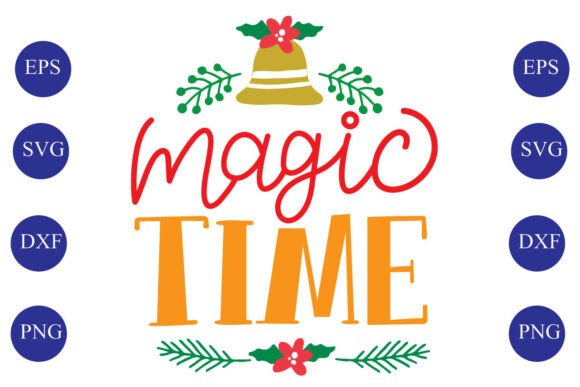
The immediate mood of Magic Time is festive but not cliché. The "sassy western" theme combined with "fancy flourish style forest" elements creates a unique visual personality. It feels like a modern take on traditional holiday motifs. Instead of generic snowflakes, you get intricate details that suggest a woodland retreat with a bit of attitude. This kind of embroidery project stands out because it appeals to customers who want something specific—perhaps a boutique owner looking for a standout item for their holiday collection.
Visually, the layout seems balanced. The flourish elements provide a nice frame for whatever central motif is present, likely a western-themed icon or text. For a handmade product, this level of detail adds perceived value. Customers often associate complex-looking designs with higher quality, even if the stitch count is moderate. However, as a reviewer, my job is to check if that complexity holds up. Does the design feel cluttered? Does it have breathing room? In the case of Magic Time, the flourishes seem to guide the eye without overwhelming the core message, making it suitable for custom apparel where readability matters.
Real-World Application: Where Does It Fit?
I imagine using this design in a few specific scenarios. First, the sweatshirt embroidery market is huge during the winter months. A sassy western holiday design works perfectly on a cream or burgundy crewneck sweatshirt. The contrast between the soft fabric texture and the structured satin stitch lines of the flourishes would look expensive. It fits the current trend of "cozy chic" that dominates social media feeds.
Second, consider the tote bag design angle. Many craft business owners use holiday designs to create limited-edition gift bags. If Magic Time is stitched onto a canvas tote, it becomes a functional piece of art. The durability of the stitching ensures it survives multiple trips to the grocery store, keeping your brand visible. It also serves well as a personalized gift for teachers or neighbors—a thoughtful touch that feels more curated than a store-bought card.
For baby embroidery, however, I would be more cautious. While the design is charming, the "sassy" element might not align with the typical pastel, gentle aesthetic parents seek for newborns. Unless you are targeting a very specific niche of parents who love western themes, this design might find its best home on adult or teen merchandise rather than infant wear. That said, it could work beautifully on a child’s apron or a kitchen towel, adding a splash of humor to holiday cooking.
Technical Considerations and Stitch Quality
When evaluating any digital embroidery file, I always think about the mechanics. The description mentions "fancy flourish style," which implies a lot of fine lines and possibly small loops. In embroidery terms, this means we need to pay close attention to stitch density. If the threads are too dense, the fabric will pucker. If they are too sparse, the design will look thin and cheap.
Before committing to a large production run, I strongly advise testing the design on scrap fabric first. Check how the thread colors interact with your base material. The western theme often pairs well with earth tones—rust, olive, navy—but you must ensure there is enough contrast for the details to pop. If you are stitching on dark fabric, a light thread color is essential. Conversely, if you are using a dark thread on a light background, make sure the fill stitch areas are robust enough to cover the underlying fabric completely.
Another critical factor is the hoop size. Flourish designs can sometimes extend beyond standard medium hoops. If your design is large, you may need a larger hoop or a multi-hooping setup. This increases the time required for each unit, which impacts your profit margins. As a small shop product creator, efficiency is key. Ensure the design fits comfortably within your most commonly used hoop sizes to streamline your workflow.
Where to Use Caution
Not every surface is created equal. There are several situations where Magic Time might struggle:
- Small Hoop Sizes: If the design includes tiny lettering or intricate corner details, shrinking it down for a small hoop (like 4x4 inches) can result in lost detail. Fine lines may merge together, creating a muddy appearance.
- Textured Fabrics: Bouclé wool or heavy terry cloth can hide the nuances of a running stitch or delicate satin work. The texture of the fabric competes with the texture of the thread.
- Stretchy Fabric: Knits and jersey fabrics require proper stabilizer usage. Without adequate support, the tension of the satin stitch can cause distortion, warping the shape of the flourishes.
- Curved Surfaces: Stitching on caps or hats requires specialized hoops and careful planning. Flat designs like this may not lay smoothly on a curved brim unless digitized specifically for that purpose.
- Frequent Washing: If the finished product is expected to undergo heavy industrial laundering, ensure the design uses secure anchoring stitches. Loose ends can unravel over time, damaging the finished product.
Impact on Brand and Customer Trust
In the world of design assets and printable mockups, presentation is everything. Using a high-quality, well-detailed design like Magic Time signals professionalism to your buyers. When a customer sees a crisp, clean embroidery job with no loose threads or puckering, their trust in your brand increases. It suggests that you care about the details, which makes them more likely to leave positive reviews and recommend your shop to others.
Furthermore, the unique theme helps with brand consistency. If your shop focuses on quirky, western-inspired holiday goods, this design reinforces that identity. It differentiates you from competitors who are selling the same generic Santa Claus or reindeer motifs. Unique designs drive engagement because they spark conversation. Customers might ask, "What does 'Magic Time' mean?" giving you a chance to share your story and connect on a deeper level.
Final Verdict and Practical Tips
Magic Time appears to be a strong contender for the holiday season, particularly for apparel decorators and creative entrepreneurs looking to add variety to their inventory. Its blend of western flair and festive elegance offers a fresh alternative to traditional Christmas imagery. However, success depends on execution.
To get the best results, follow these practical steps:
- Test Thoroughly: Always stitch a sample before producing for sale. Inspect the back of the work for stability and the front for clarity.
- Check Licensing: Confirm whether the digital embroidery file allows for commercial use. Some graphics are for personal use only, while others permit selling finished items. This is vital for avoiding legal issues.
- Use Proper Stabilizer: Match your stabilizer to your fabric weight. Heavy cut-away stabilizers are often needed for dense designs on stretchy materials.
- Mockup Visually: View your design in black and white to check contrast levels. This helps identify potential visibility issues before you spend time threading your machine.
- Consider the Audience: Tailor your marketing to the right demographic. Highlight the "sassy" and "western" aspects in your product listings to attract the right buyers.
In conclusion, Magic Time is more than just a pretty picture; it is a versatile tool for building a cohesive, professional holiday collection. By paying attention to the technical details and choosing the right applications, you can transform this graphics asset into a profitable, beloved embroidery project that resonates with customers this season.