Coffee Makes Everything Better: A Designer’s Embroidery Review
As a designer who spends half my day staring at stitch patterns and the other half trying to convince clients that embroidery is worth the investment, I approach every new digital asset with a healthy dose of skepticism. We have all seen designs that look stunning in a flat vector preview but turn into a tangled mess once they hit the hoop. That is why I take the time to evaluate assets like Coffee Makes Everything Better before committing them to real-world production. This isn’t just about whether the design looks cute; it is about whether it functions as a viable commercial product for your craft business or personal brand.
The title itself, "Coffee Makes Everything Better," taps into a universal sentiment. Coffee culture is not a niche trend; it is a lifestyle staple. For small business owners, Etsy sellers, and handmade shop owners, this theme offers immediate recognition. It speaks to the early risers, the remote workers, and the cozy homebodies. But does the visual execution match the emotional appeal? Let us dig into the practical realities of using this design for actual embroidery projects.
First Impressions and Visual Personality
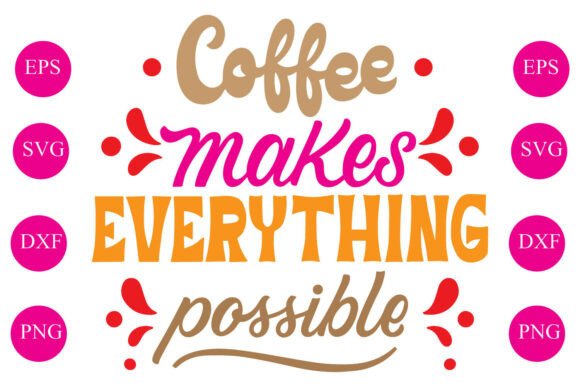
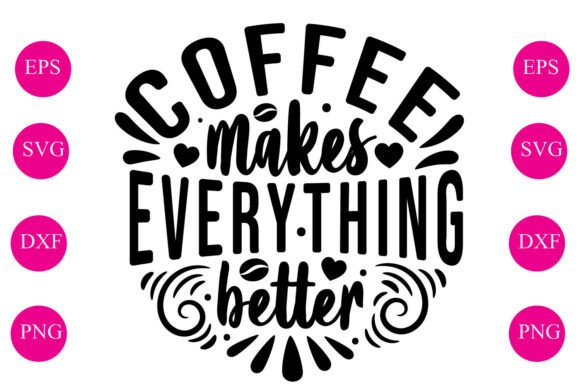
When you first pull up the files for Coffee Makes Everything Better, the mood is immediately established. The description mentions "fancy flourish style" elements, which suggests a blend of whimsy and sophistication. In the world of T-Shirt Designs and apparel graphics, there is a fine line between playful and cluttered. From a design perspective, this asset leans toward the elegant side of sassy. The typography likely carries weight, while the surrounding flourishes add texture without overwhelming the message.
For an embroidery designer, the visual personality dictates the application. This design feels right at home on items that invite comfort and relaxation. It has the visual warmth required for a morning routine aesthetic. It is not aggressive or loud; rather, it feels inviting. This makes it an excellent candidate for personalized gift markets, where the recipient values thoughtful, cozy vibes over bold streetwear statements. The layout appears balanced, which is crucial when translating digital vectors into physical stitches. If the balance is off, the eye gets lost in the thread work. Here, the composition seems designed to hold attention without demanding too much from the stitching process.
Real-World Application: Where This Design Shines
Let us move past the screen and talk about the fabric. I recently considered using a similar coffee-themed asset for a custom order involving a heavy cotton canvas tote bag. While Coffee Makes Everything Better is marketed as a T-Shirt Design, its versatility allows it to transcend standard apparel. Imagine this design embroidered on a high-quality linen apron for a boutique bakery owner. The contrast between the sturdy fabric and the delicate flourish details would create a premium feel.
Another strong use case is holiday embroidery. Coffee mugs and related quotes are perennial favorites during the winter season. Placing this design on a soft fleece sweatshirt or a thick kitchen towel creates a tangible sense of warmth. For baby embroidery, such as on a muslin burp cloth or a tiny onesie, the softer lines of the flourish style can read as gentle and modern, appealing to parents who want something less cartoonish and more chic.
Consider also the market for custom apparel. A crewneck sweatshirt featuring this phrase is a staple item in any craft fair booth. It appeals to a broad demographic. However, the success of the final product depends heavily on how well the design translates to the material. On a smooth jersey knit t-shirt, the design should pop if the thread colors are chosen wisely. On a textured wool blend, the details might get lost, requiring a different approach to stabilization and underlay stitches.
Performance on Specific Garments and Accessories
- Tote Bags: The durable nature of canvas allows for slightly denser stitch areas. This design could serve as a central focal point on a large tote, acting as both branding and art.
- Sweatshirt Embroidery: The chest area of a sweatshirt is prime real estate. The phrase is short enough to be legible from a distance but detailed enough to reward closer inspection.
- Embroidered Patches: If the design includes a defined border or sufficient negative space, it could be converted into a sew-on patch for denim jackets or backpacks, expanding its utility beyond clothing.
- Pillow Covers: For home decor enthusiasts, placing this on a velvet or faux fur pillow cover adds a touch of humor and comfort to a living room setting.
Areas Requiring Caution and Technical Precision
No design is perfect for every surface, and Coffee Makes Everything Better is no exception. As a reviewer, I must highlight where this design requires careful handling to avoid customer returns or dissatisfaction.
One critical area is small hoop sizes. If the flourish details include very thin lines or tiny serifs, reducing the scale significantly can cause these elements to merge together during stitching. When working on baby embroidery or small cap panels, you must inspect the digitization closely. Tiny lettering often suffers from thread breakage or lack of definition. Always test the design at its smallest intended size before mass production.
Textured fabrics pose another challenge. Materials like waffle-knit hoodies or heavily napped fleece can distort the shape of the design. The needle penetration may vary, leading to inconsistent satin stitch edges. For best results, stick to smoother fabrics like cotton blends, polyester, or tightly woven linens. Additionally, stretchy fabrics require proper stabilizer usage. Without adequate backing, the tension from the thread can pucker the garment, ruining the professional finish.
Dense stitch areas are also a consideration. If the design uses heavy fill stitch regions, ensure your machine can handle the density. Overly dense areas can make the fabric stiff and uncomfortable, particularly on garments worn against the skin. Check the stitch density in your software. If it is too high, consider simplifying the underlay or adjusting the thread path to maintain flexibility.
Practical Notes for Embroidery Designers
Before you upload Coffee Makes Everything Better to your machine, follow these essential steps to ensure a successful outcome:
- Test on Scrap Fabric: Never run a new design directly onto your final product. Use scraps of the exact fabric and stabilizer combination you plan to sell. This reveals issues with puckering, thread tension, or color bleeding.
- Check Thread Color Contrast: The visual impact relies heavily on the interplay between thread and fabric. A dark brown text on black fabric will disappear. Conversely, bright neon threads on pastel backgrounds might clash with the sophisticated flourish style. Experiment with neutral tones like cream, beige, or charcoal for a classic look.
- Inspect Small Details: Zoom in on the digital file. Are the curves smooth? Are the corners sharp? Poor digitization shows up quickly in embroidery. Look for unnecessary jumps or trims that could weaken the design.
- Confirm Licensing: This is vital for Etsy sellers and craft business owners. Verify whether the license allows for commercial use of finished goods. Some digital assets restrict resale, while others permit unlimited sales. Clear licensing protects your reputation and legal standing.
- Create Black and White Mockups: Sometimes color distracts from form. View the design in grayscale to assess the balance and readability. If the design works in black and white, it will likely succeed in color.
Final Verdict on Visual Appeal and Market Value
From a branding perspective, Coffee Makes Everything Better offers strong potential. It aligns with current trends favoring relatable, lifestyle-driven content. Customers trust brands that understand their daily rituals. By offering high-quality embroidered products featuring this design, you position yourself as a creator who values both aesthetics and functionality.
The design’s ability to adapt across various mediums—from apparel decorators to kitchen towel makers—adds to its value. It is not a one-trick pony. However, its success hinges on execution. The difference between a mediocre product and a bestseller often lies in the details: the choice of thread, the quality of the fabric, and the precision of the stitching.
For creative entrepreneurs looking to expand their inventory, this asset provides a reliable foundation. It is safe yet stylish, popular yet distinct. Just remember that the digital file is only the blueprint. Your skill as an embroiderer brings it to life. Treat each project with care, respect the technical limitations of the design, and always prioritize the tactile experience of the end user. When done correctly, a simple coffee quote can become a cherished keepsake, proving that yes, coffee indeed makes everything better—and so does great embroidery.