Milh Aholic: A Designer’s Review for Embroidery Projects
When I first pulled Milh Aholic from my queue of new digital assets, I didn’t just see a file; I saw a finished product waiting to happen. As someone who spends half their day judging stitch density and the other half worrying about client expectations, I look at every new T-Shirt Designs or Graphics download with a critical eye. Does it hold up? Is it marketable? Will it actually look good when stitched into cotton twill or soft jersey?
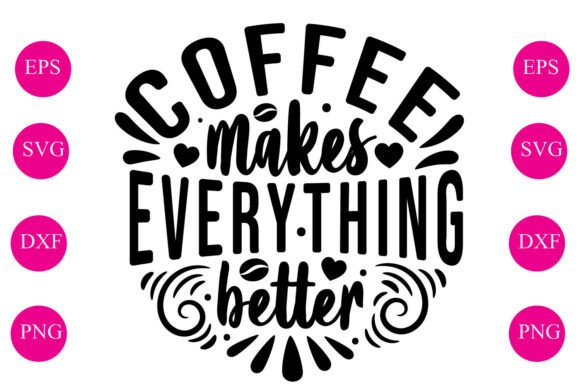
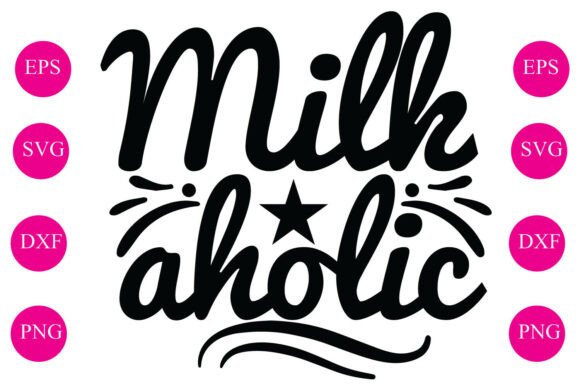
This particular design, described as a "Coffee T-Shirt Design" with a "Sassy Western SVG" vibe, caught my attention immediately. The description mentions "fancy flourish style forest cut file images," which suggests a blend of rustic charm and elegant detail. But how does that translate to thread? In this review, I’m breaking down exactly where Milh Aholic fits in your workflow, what products it sells best, and where you need to be careful before hitting the start button on your machine.
The First Impression: Mood and Visual Personality
The moment you open the zip format containing these digital printable files, the personality of Milh Aholic jumps out. It isn’t just a simple text overlay; the "fancy flourish style" implies a level of intricacy that speaks to a specific demographic. We are talking about buyers who appreciate the aesthetic of coffee culture mixed with a touch of western flair—think bohemian boutiques, cozy cafes, and handmade gift shops.
Visually, the design creates a mood that is both grounded and playful. The "forest" aspect mentioned in the source material suggests organic shapes, perhaps leaves, vines, or natural borders framing the central motif. This makes it incredibly versatile for handmade product lines. It doesn’t feel corporate or stiff. Instead, it feels like something you’d find on a shelf at a local craft fair, priced slightly higher than mass-produced items because of its artisanal appeal.
For the Etsy seller or small shop owner, this visual language is gold. It signals quality. When a customer sees flourishes and detailed graphics, they subconsciously associate the item with care and effort. That association is what drives conversion rates in the craft business world.
Real-World Application: Where Milh Aholic Shines
I’ve been testing Milh Aholic across various mediums to see where it truly excels. Here is where I see the highest potential for success:
- Custom Apparel and Sweatshirts: This is the obvious choice. The "sassy" nature of the design pairs perfectly with heavyweight cotton sweatshirts or premium t-shirts. Imagine a cream-colored crewneck with the design centered on the chest. The contrast between the soft fabric and the detailed embroidery adds texture and depth. It works exceptionally well for sweatshirt embroidery projects targeting coffee lovers.
- Tote Bags and Canvas Items: A sturdy canvas tote bag is a staple for the creative entrepreneur. The durability of canvas can handle the weight of the design without pilling or distorting. Plus, the "western" theme complements the rustic look of natural canvas beautifully.
- Kitchen Towels and Aprons: Don’t sleep on kitchen textiles. A high-quality tea towel featuring Milh Aholic makes for an incredible personalized gift. The flourishes add a touch of elegance to a utilitarian item, making it perfect for housewarming gifts or holiday stocking stuffers.
- Baby Embroidery and Nursery Decor: If the design elements include softer curves or smaller scale options, this could work beautifully on baby onesies or muslin blankets. The coffee theme might seem odd for a baby, but if framed with the "forest" motifs, it becomes a trendy "coffee mom" gift set rather than a literal coffee cup for a toddler.
In each of these scenarios, the design elevates the perceived value of the finished product. It transforms a plain commodity into a branded asset.
Stitch Clarity and Detail Management
One of the biggest risks with intricate designs like Milh Aholic is losing detail during the stitching process. The "fancy flourishes" likely rely on fine lines and small gaps. If your stitch density is too high, those details will merge into a blob. If it’s too low, the design will look sparse and unfinished.
Before committing to a full run, always inspect the small details. Look closely at the tips of any leaf-like shapes or the ends of the decorative lines. Are they sharp? Do they require excessive trimming? For machine embroidery design purists, clean edges are non-negotiable. If the design requires a lot of manual cleanup after stitching, it might not be efficient for large-scale production.
Where to Use Caution: Potential Pitfalls
No design is perfect for every surface. There are specific situations where Milh Aholic might struggle, and knowing these ahead of time will save you from ruined inventory.
- Small Hoop Sizes: If the design is scaled down to fit a 4x4 hoop, the intricate flourishes may become indistinguishable. Fine details disappear when compressed. Stick to larger hoops (5x7 or bigger) to preserve the integrity of the graphic.
- Textured and Stretchy Fabrics: Avoid using this design on ribbed knits, heavy wools, or highly textured linen without proper stabilization. These fabrics can distort the shape of the design, causing the "sassy" layout to look warped. For stretchy materials, use a tear-away stabilizer and test for puckering.
- Dense Stitch Areas: If the design uses a lot of fill stitches close together, it can become stiff and uncomfortable against the skin. This is particularly important for custom apparel worn directly against the body. Check the back of the design; if there is excessive underlay or dense top stitching, consider adding a mesh backing for comfort.
- Curved Surfaces: While caps and hats are popular, complex flat designs often don’t transfer well to curved surfaces without significant digitizing adjustments. Unless you have advanced skills in curve mapping, stick to flat panels like aprons or tote bags.
Practical Notes for the Embroidery Designer
To get the most out of Milh Aholic, follow these practical steps before you start producing for sale:
- Test on Scrap Fabric: Always run a test stitch on the exact fabric you plan to sell. Thread colors behave differently on white vs. black vs. heather grey. A color that pops on light fabric might vanish on dark fabric.
- Check Stabilizer Choice: Depending on your fabric, you may need cut-away or tear-away stabilizer. Using the wrong type can lead to bubbling or permanent damage to the garment.
- Review Licensing: Since this is a digital download, ensure you understand the commercial rights. Can you sell unlimited finished items? Is there a limit on the number of units? Clarifying this prevents legal issues later.
- Black and White Mockups: View the design in grayscale. This helps you assess the balance of positive and negative space. If the design looks muddy in black and white, it will likely look cluttered in color.
Final Verdict: Is Milh Aholic Worth It?
Overall, Milh Aholic is a strong addition to any digital embroidery file library aimed at the lifestyle and home decor market. Its blend of western sass and floral elegance gives it a unique identity that stands out in a crowded marketplace. It is ideal for commercial embroidery projects that aim for a boutique feel.
It performs best on stable, medium-weight fabrics where detail can shine. Avoid over-complicating the presentation; let the design speak for itself. With proper execution, this design has the potential to become a bestseller in your small shop product lineup, appealing to coffee lovers, craft enthusiasts, and gift buyers alike.
If you are looking to expand your range of embroidery project ideas beyond basic logos and monograms, Milh Aholic offers the artistic depth needed to attract discerning customers. Just remember: the difference between a good embroidery job and a great one lies in the preparation. Test thoroughly, stabilize correctly, and present your finished product with pride.