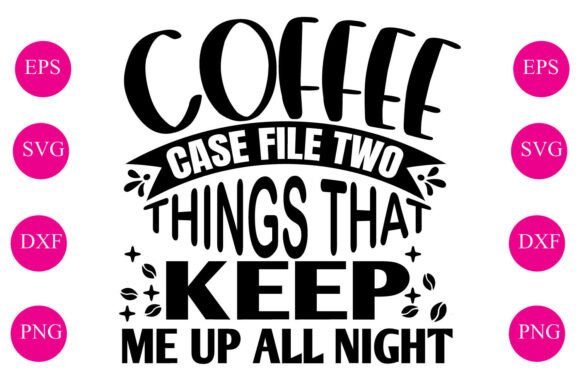
From File to Finish: Reviewing Coffee Case File to Thing That
As an embroidery designer who has spent years translating digital vectors into stitched reality, I have learned that not every graphic is created equal. Some designs look stunning on a screen but fall apart under the needle. Today, I am taking a close look at Coffee Case File to Thing That, a design categorized under T-Shirt Designs and Graphics. My goal here is not just to describe what it is, but to evaluate its viability for real-world application. Whether you are an Etsy seller looking for your next bestseller, a boutique owner curating handmade goods, or a hobbyist making a personalized gift, understanding how this design behaves in the hoop is crucial before you commit to production.
First Impressions and Visual Personality
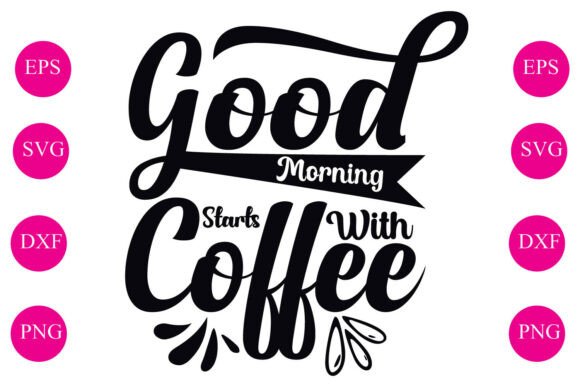
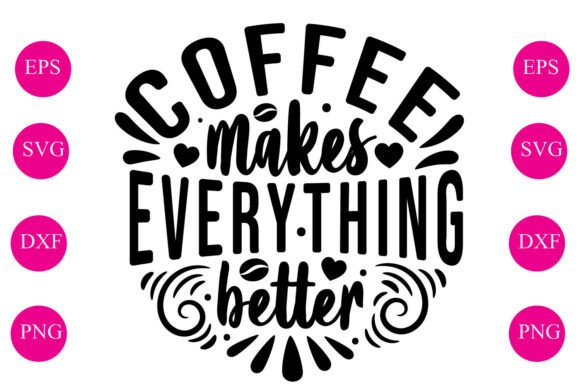
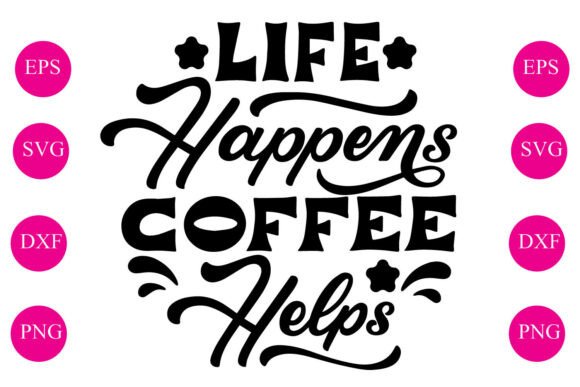
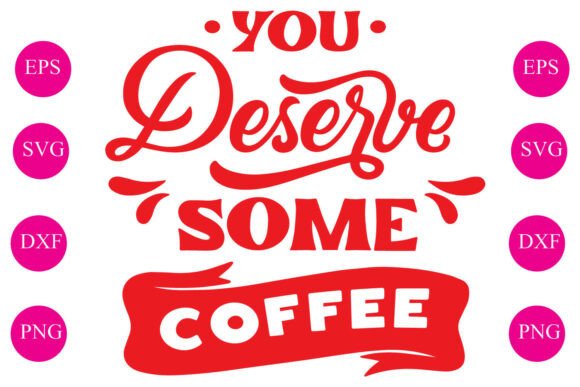
When I first loaded the files associated with Coffee Case File to Thing That, my immediate reaction was centered on its thematic cohesion. The description mentions "fancy flourish style forest cut file images," which suggests a blend of rustic charm and elegant detailing. In the world of machine embroidery, combining organic elements like forests with structured text can be tricky. If the balance is off, the design can feel cluttered or visually noisy.
This particular design seems to lean into a sassy, western-inspired coffee theme. For a craft business, this is a potent combination. It appeals to a specific demographic that appreciates humor, nature, and artisanal aesthetics. The mood is casual yet polished, making it suitable for a wide range of products. It does not scream "loud novelty"; rather, it whispers "curated lifestyle." This subtlety is often what separates a cheap knockoff from a desirable handmade product. The visual personality feels grounded, suggesting that when stitched, it will hold up well as a statement piece on apparel or home decor without overwhelming the viewer.
Real-World Application: Where Does It Fit?
The versatility of Coffee Case File to Thing That is one of its strongest assets. Because it falls under the umbrella of T-Shirt Designs, it naturally lends itself to custom apparel. However, limiting its use to t-shirts would be a mistake. Here is how I see this design performing across various categories:
- Custom Apparel and Sweatshirts: This is the most obvious fit. On a heather grey or black sweatshirt, the flourishes likely pop against the textured fabric. It works perfectly for casual wear, coffee shop uniforms, or themed holiday gifts.
- Tote Bag Design: A sturdy canvas tote featuring this design becomes an instant marketing tool for small businesses. The durability of the bag matches the practical vibe of the coffee theme. It is a functional accessory that customers will want to carry around, keeping your brand visible.
- Baby Embroidery and Nursery Decor: Surprisingly, this design could work well for baby items if scaled appropriately. Think onesies for parents who love their caffeine, or nursery wall art where the "forest" element adds a soft, natural touch. It bridges the gap between adult humor and gentle aesthetics.
- Kitchen Towels and Aprons: For the home cook or baker, a tea towel with this design adds personality to the kitchen. It is a great low-cost entry point for new customers in a craft business.
- Embroidered Patch: If the design includes a border or sufficient negative space, it could be digitized as a patch. Patches are huge right now for jackets, hats, and bags, offering a different texture and dimension than direct-to-garment embroidery.
Technical Considerations and Stitch Behavior
Having reviewed the file structure, which comes in a zip format ready for download, we must discuss how these graphics translate to stitches. The mention of "flourish style" implies the use of satin stitch for outlines and potentially fill stitch for larger areas. Here is what you need to watch out for during the digitizing or stitching process:
Stitch Density and Detail: Flourishes can be delicate. If the stitch density is too high, the fabric may pucker. If it is too low, the design may look sparse. You need to inspect the small details closely. Are there tiny loops or intricate corners? These areas are prone to thread breaks or misalignment if the tension is not perfect. Always test the design on scrap fabric first to ensure the satin stitch holds its shape without bubbling.
Hoop Size Constraints: Before committing to a large production run, confirm the hoop size required. If the design is meant to be placed on a cap or a curved surface, the distortion of the fabric can ruin the symmetry of the flourishes. Curved surfaces like caps require careful stabilization and possibly a specialized hoop. If the design relies on precise alignment, avoid placing it on highly textured fabrics like heavy bouclé wool, as the needle may struggle to penetrate consistently.
Thread Color Contrast: The effectiveness of this design hinges on contrast. On dark fabric, lighter threads will make the white or light-colored flourishes stand out sharply. On light fabric, darker threads provide definition. I recommend testing the design in black and white mockups to ensure the hierarchy of elements remains clear. If the text gets lost in the decorative flourishes, the message fails.
Strategic Advice for Sellers and Makers
If you are planning to sell finished products featuring Coffee Case File to Thing That, consider the end-user experience. Customers buy handmade products for quality and uniqueness. A poorly executed embroidery job can undermine trust, even if the design itself is beautiful. To maintain professionalism:
- Check Licensing: Confirm whether you have commercial rights to sell finished items made from this digital embroidery file. This is critical for Etsy sellers and small shop owners to avoid legal issues.
- Use Proper Stabilizer: The choice of stabilizer (cut-away vs. tear-away) depends on the fabric. For stretchy knit fabrics like t-shirts, a cut-away stabilizer provides better long-term support, preventing the design from distorting after washing.
- Test for Durability: Since this design is likely intended for items that will be washed frequently (like aprons or t-shirts), ensure the stitch types used are durable. Running stitch alone may not withstand heavy wear; a combination of satin and fill stitches is usually more robust.
- Present Professionally: When listing this as a digital product or a physical item, use printable mockups that show the design on various backgrounds. This helps buyers visualize the final product and increases conversion rates by demonstrating value.
Final Verdict
Coffee Case File to Thing That appears to be a solid addition to any embroidery designer’s library, particularly those focusing on lifestyle, humor, and nature-themed niches. Its blend of sassy western vibes and fancy flourishes gives it a unique character that stands out in a crowded market. However, success lies in the execution. By paying attention to stitch density, fabric choice, and proper stabilization, you can transform this digital graphic into a high-quality, desirable finished product.
For the experienced maker, the key is to treat this not just as a picture, but as a technical blueprint. Test thoroughly, respect the limitations of the medium, and let the design’s personality shine through in your craftsmanship. Whether you are creating a personalized gift for a friend or building a brand identity for your boutique, this design offers a strong foundation for creative expression.