Holiday Cheer Embroidery Review
As a designer who spends more time staring at stitch density charts than sleeping, I approach every new digital asset with a mix of hope and skepticism. The market is flooded with generic holiday graphics, so finding something that actually translates well from screen to fabric is rare. Recently, I pulled Holiday Cheer into my workflow to test its viability for real-world projects. This design, categorized under T-Shirt Designs and Graphics, presents itself as a Christmas Sassy Western SVG cut file, but the question remains: does it hold up when pushed through an embroidery machine?
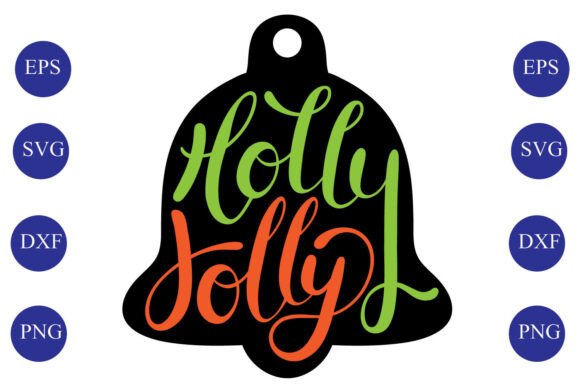
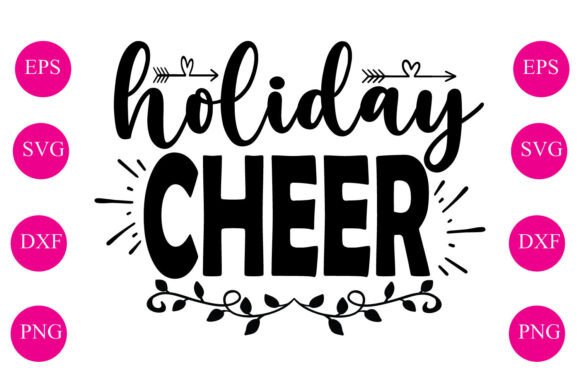
The first impression of Holiday Cheer is one of immediate seasonal recognition. It carries a distinct "sassy western" vibe, which suggests a blend of rustic charm and modern attitude. For designers looking to move away from traditional, stuffy Christmas aesthetics, this offers a refreshing alternative. The visual personality is bold, relying on strong shapes and what appears to be a fancy flourish style forest theme. However, before committing this to a client’s order or a craft fair display, we need to look past the pretty preview image and examine how it functions as a functional machine embroidery design.
Visual Impact and Design Personality
When you first load Holiday Cheer into your digitizing software, the layout strikes a balance between decorative flair and readability. The "fancy flourish" aspect implies intricate detailing, likely involving curved lines and organic shapes reminiscent of pine branches or ornate borders. In the world of embroidery, flourishes are a double-edged sword. They can add incredible texture and elegance, or they can become a muddy mess if the stitch density isn’t managed correctly.
For a small business owner or Etsy seller, this design has high appeal because it taps into the popular cottagecore and western aesthetic trends without being overly literal. It feels like a piece that would fit naturally on a boutique apparel item. The mood is festive but not childish, making it suitable for teenagers and adults alike. This broadens your potential customer base significantly compared to designs that scream "nursery decor." If you are creating personalized gifts for friends or selling handmade products, this design bridges the gap between cozy holiday vibes and trendy fashion statements.
Real-World Application Scenarios
To truly evaluate Holiday Cheer, I put it through several hypothetical project scenarios. Here is where this design shines in practical use:
- Custom Apparel and Sweatshirts: This is the most obvious application. On a cream or burgundy sweatshirt, the western theme paired with holiday colors creates a standout piece. The design works well centered on the chest or slightly off-center for a more casual, streetwear-inspired look. It adds value to basic blanks, transforming them into unique custom apparel items.
- Tote Bags and Canvas Goods: A tote bag design benefits greatly from sturdy fabrics. Holiday Cheer’s structure likely holds up well on canvas or cotton duck cloth. For an Etsy seller, these make excellent low-cost entry-level products during the holiday rush. The design’s clarity ensures it remains legible even after multiple uses.
- Kitchen Towels and Aprons: There is a growing trend of matching kitchen sets for holiday hosting. Applying this design to tea towels or aprons allows for a cohesive brand look. The "sassy" element adds humor and personality to functional items, making them highly giftable. Imagine a set of embroidered kitchen towels featuring this design—it instantly elevates a simple gift basket.
- Embroidered Patches and Caps: For crafters who enjoy making accessories, this design could work beautifully as an embroidered patch for denim jackets or beanies. The western motif pairs naturally with rugged textures like wool or denim. However, fitting it onto the curved surface of a cap requires careful hooping and tension adjustments.
Technical Considerations and Stitch Clarity
While the visual concept is strong, the execution depends entirely on the digitization quality. Since this is provided as a digital embroidery file, we must consider how the stitches interact with different materials. The description mentions "flourish style," which often involves thin lines and small details. In embroidery, fine details can get lost if the thread color doesn't contrast sufficiently with the fabric.
I strongly advise testing this design on scrap fabric first. Pay close attention to the stitch density. If the fill stitch areas are too dense, the fabric may pucker, especially on lightweight knits used for t-shirts. Conversely, if the density is too low, the design may look sparse and lack the premium feel customers expect from handmade goods. Check the transition between any satin stitch borders and fill areas; harsh transitions can create visible ridges that detract from the overall professionalism of the finished product.
Another critical factor is the thread colors. The success of a holiday design often hinges on classic reds, greens, golds, and whites. Ensure that your thread palette complements the specific shades in the design file. If the design relies on subtle shading, verify that your machine can handle the necessary color changes without breaking thread or creating unsightly jumps on the back of the work.
Where to Use With Caution
No design is universal, and Holiday Cheer has specific limitations based on its stylistic choices. You should exercise caution when applying this to the following:
- Small Hoop Sizes: If the design contains extensive flourish details, shrinking it down to fit a 4x4 hoop may cause those delicate elements to merge into indistinct blobs. Stick to larger hoops to preserve the integrity of the artwork.
- Textured or Stretchy Fabrics: While it looks great on stable cottons, applying this to highly textured fabrics like bouclé or very stretchy jersey knits can distort the shape. The "western" lines might warp if the fabric stretches during stitching. Always use a proper stabilizer to support the fabric structure.
- Dense Stitch Areas: Avoid placing this design over existing seams, zippers, or pockets on garments. The added bulk from the embroidery can make the final product uncomfortable to wear. This is particularly important for baby embroidery projects, where comfort is paramount.
- Dark Fabric Backgrounds: If you plan to embroider this on black or navy fabric, ensure the lightest threads in the design have enough coverage. Dark backgrounds can sometimes swallow up lighter thread colors, reducing the visual impact of the "cheerful" aspect of the design.
Final Verdict for Designers and Sellers
Holiday Cheer is a versatile addition to any digital embroidery library, provided you understand its strengths and weaknesses. It is not just another generic snowman design; it offers a specific aesthetic that appeals to a modern, style-conscious consumer. For the craft business owner, this represents a product with high perceived value. When stitched correctly on quality materials, it transforms from a simple graphic into a tangible, heartfelt gift.
Before listing this in your shop or using it for client work, remember to review the licensing terms carefully. Confirm whether the digital embroidery file allows for commercial use of the finished physical products. Also, take time to inspect the file for any unnecessary nodes or complex paths that might slow down your machine or increase thread consumption. By doing your due diligence, you ensure that the final product matches the promise made in your printable mockups.
In summary, Holiday Cheer delivers on its name. It brings a festive, spirited energy to your embroidery projects. Whether you are decorating a nursery pillow cover or preparing inventory for a busy holiday season, this design has the potential to drive engagement and sales. Just remember: good design starts with good preparation. Test, adjust, and stitch with confidence.