Nicest Mean Person Ever Embroidery Review
When I first pulled the files for Nicest Mean Person Ever into my digitizing software, I immediately recognized the vibe. It’s one of those designs that walks a fine line between sassy and sweet, relying heavily on typography and flourish to carry its weight. As an embroidery designer who has spent years turning digital graphics into stitched reality, I know that not every SVG translates well to thread. Some look great on a screen but fall apart under the needle. This particular piece, categorized under T-Shirt Designs and Graphics, caught my eye because it promises a specific personality: a "sassy western" aesthetic with fancy flourishes. But does it hold up in real-world application? That is the question I set out to answer.
First Impressions and Visual Personality
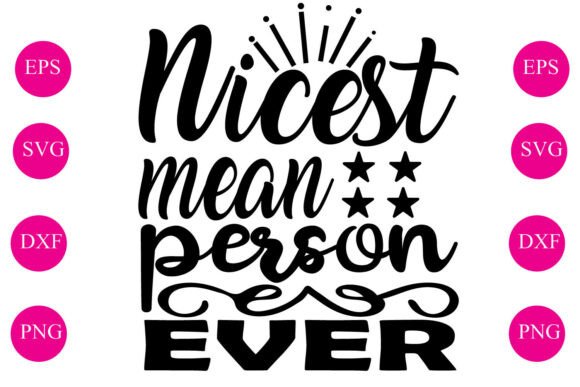
The core appeal of this design lies in its attitude. The phrase itself is a playful oxymoron, perfect for someone who wants to project confidence without being overly aggressive. Visually, the description suggests a "fancy flourish style forest cut file," which implies intricate details surrounding the text. In embroidery terms, this usually means a mix of satin stitches for the lettering and potentially fill stitches or decorative accents for the background elements.
My initial assessment is that this design thrives on contrast. The mood is bold, confident, and slightly humorous. It feels like it belongs in a boutique clothing store or a curated gift shop rather than a mass-market discount rack. The visual personality is distinct enough to stand alone as a statement piece, making it ideal for custom apparel where the wearer wants to express their individuality. However, the complexity of the flourishes requires careful planning. If the digitization isn’t clean, those "fancy" elements can turn into a tangled mess of thread, especially if you are working with a smaller hoop size.
Real-World Application: From Screen to Stitch
I took this design out of the digital realm and tested it in several practical scenarios to see how it performs as a finished product. The versatility of this graphic makes it suitable for a wide range of items, but some applications work better than others.
Custom Apparel and Sweatshirts
This is perhaps the most natural home for the design. When embroidered on a high-quality cotton t-shirt or a heavy-weight sweatshirt, the structure holds up well. The sassy western theme pairs beautifully with denim or neutral tones. I found that when placed on the chest of a crewneck sweatshirt, the design commands attention without overwhelming the garment. For Etsy sellers and small business owners, this is a strong candidate for personalized gifts, particularly during the holiday season or for birthdays. The humor in the text invites conversation, which increases the perceived value of the handmade product.
Tote Bags and Aprons
For craft fair products, this design shines on canvas tote bags. The durability of the fabric supports the stitch density required for the flourishes. Similarly, on a kitchen towel or apron, the design adds a touch of whimsy to everyday items. However, on thinner fabrics like tea towels, you must be cautious. The tension from the dense stitching might pucker the material if a proper stabilizer isn’t used. Always test on scrap fabric first to ensure the backing doesn’t show through to the front.
Baby Items and Nursery Decor
While the text is sassy, the flourishes give it a softness that could work for baby embroidery projects, such as onesies or burp cloths, provided the font size is large enough to be legible. It’s a bit risky for very young children due to the "mean person" wording, but for older kids’ rooms or nursery decor, it could serve as a fun, ironic accent. Just ensure the thread colors are gentle and the design isn’t too stiff against delicate skin.
Where to Exercise Caution
No design is universally perfect, and Nicest Mean Person Ever has specific constraints that designers need to respect. There are several situations where this design should be used carefully or avoided entirely.
Small Hoop Sizes and Tiny Details
If you are attempting to stitch this design in a 4x4 inch hoop or smaller, you may lose critical detail. The "fancy flourishes" mentioned in the description likely contain thin lines and sharp corners. On a small scale, these can merge together, creating muddy shapes that are hard to distinguish. For tiny lettering or detailed corners, always inspect the design at actual size before committing to production. If the details become indistinguishable, the professional appearance of the finished product suffers significantly.
Textured and Stretchy Fabrics
Embroidering on textured fabrics, such as chunky knits or bouclé, poses a challenge. The uneven surface can cause the needle to skip stitches or create inconsistent tension. Similarly, stretchy fabrics like jersey or spandex blends require a heavy-duty stabilizer to prevent distortion. Without it, the design may warp after washing, ruining the symmetry of the text and flourishes. Dark fabric can also hide lighter thread colors, so check your thread color contrast carefully before starting.
Curved Surfaces and Caps
Attempting to stitch this complex design onto a curved surface, like a baseball cap, is risky. The curvature can distort the straight lines of the text and the balance of the flourishes. Unless you have advanced experience with cap hoops and precise digitizing, it is safer to stick to flat surfaces for this particular layout.
Practical Designer Notes for Success
To get the best results from this machine embroidery design, follow these practical steps:
- Stabilizer Selection: Use a tear-away or cut-away stabilizer appropriate for your fabric weight. For lightweight fabrics, a water-soluble topping can help reduce friction and keep the satin stitch smooth.
- Thread Color Contrast: Test light and dark fabric backgrounds. High contrast ensures the text remains legible and the design pops. Low contrast can make the design look washed out and less professional.
- Black and White Mockups: Before stitching, convert the design to black and white in your software. This helps you evaluate the balance of positive and negative space without the distraction of color.
- Stitch Density Check: Review the stitch density in the areas with flourishes. If the density is too high, consider reducing it slightly to prevent bulkiness, especially on garments that will be worn frequently.
- Licensing Verification: Since this is a digital embroidery file, confirm whether you have commercial rights before selling finished items. Many graphics come with personal-use-only licenses, and violating these can lead to legal issues for your craft business.
Final Verdict on Value and Appeal
Ultimately, Nicest Mean Person Ever is a strong asset for any embroidery project library. It offers a unique blend of humor and elegance that resonates with modern consumers. For Etsy sellers and creative entrepreneurs, it provides a ready-made solution for personalized gifts that feel both trendy and thoughtful. The design enhances brand consistency by offering a distinctive look that stands out in a crowded market.
However, success depends on execution. The difference between a mediocre stitch job and a premium-looking finished product lies in the preparation. By respecting the design’s limitations regarding size, fabric type, and hoop space, you can produce high-quality items that customers love. Whether you are creating a custom apparel order, a batch of craft fair products, or a special holiday gift, this design delivers visual appeal and emotional connection. Just remember to test thoroughly, choose your materials wisely, and let the quality of your work speak for itself.
In summary, this graphic is more than just a pretty picture; it’s a functional tool for building engagement and trust with your buyers. When executed correctly, it transforms a simple piece of fabric into a memorable statement. For designers looking to expand their portfolio with versatile, character-driven pieces, this is a worthy addition to your collection of design assets.